A recent study highlighted in Medscape found that higher dietary fiber intake may significantly reduce the risk of developing dementia later in life. Researchers followed nearly 3,700 Japanese adults aged 40–64 for about 20 years and observed that participants who consumed the most fiber had roughly a 25% lower risk of disabling dementia compared with those who consumed the least.
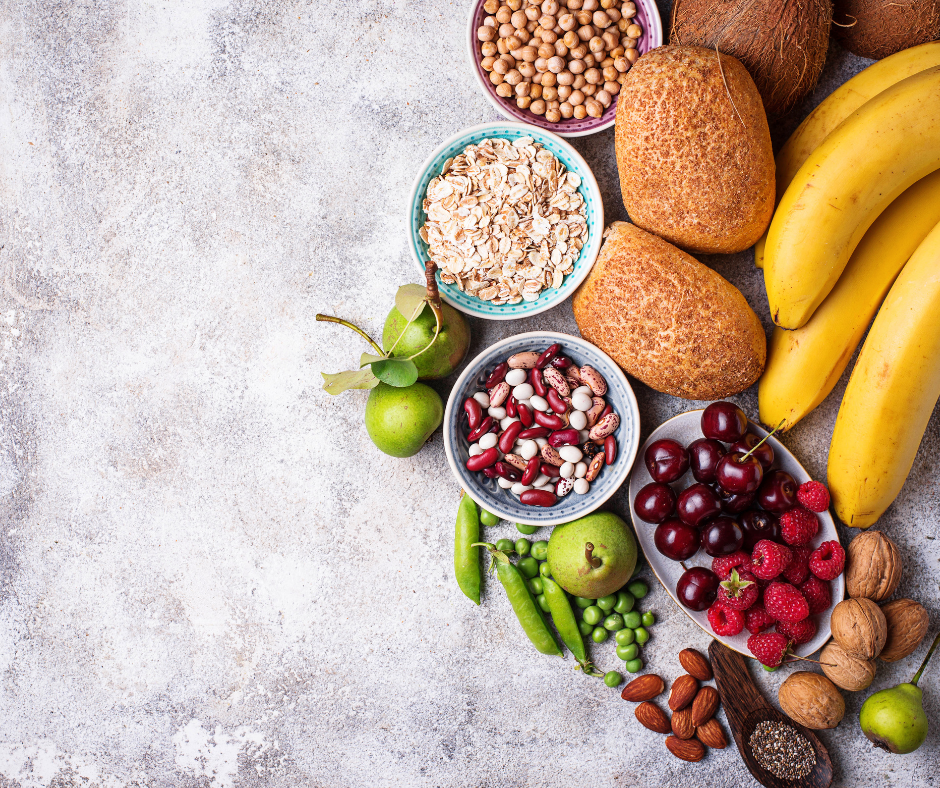
The protective association was strongest for soluble fiber, which is found in foods such as oats, beans, lentils, fruits, and some vegetables. Soluble fiber dissolves in water and helps nourish beneficial gut bacteria. Scientists believe this may influence the “gut-brain axis,” a communication system linking the digestive tract and the brain. Improved gut health may reduce inflammation and support cognitive function over time.
The study also found that the relationship was more apparent in dementia cases not linked to stroke, suggesting fiber may specifically influence neurodegenerative processes rather than vascular damage alone. Researchers adjusted for many other dementia risk factors, including blood pressure, diabetes, cholesterol, and body weight, yet the association remained significant.
Although the findings do not prove that fiber directly prevents dementia, experts say they add to growing evidence that healthy dietary habits can support long-term brain health. Nutrition specialists recommend eating a balanced diet rich in whole plant foods, including fruits, vegetables, legumes, and whole grains, as part of an overall strategy to reduce cognitive decline risk with aging.